































What's the Weather like in Malta in January?
January is usually the coldest month of the year in Malta, but compared to the rest of Europe, it's quite mild and frost-free. It's a good time visit if you're looking for cheaper flights and accommodation but probably not if you're after a beach holiday.
Is Malta Warm In January?
At this time of the year, the average temperature stays constant at 13°C throughout the month with daily highs of 16ºC and lows of 13°C during the night.
Malta's Highest And Lowest Temperatures In January
Since 1987, the highest maximum temperature which has ever been recorded in Malta in January is 22.2°C which occurred in 1988. On the other hand, the lowest minimum temperature is 6.2°C which was recorded in 2002.
How Warm Is The Sea In Malta In January?
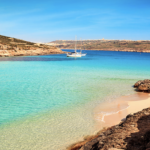
The average sea temperature for Malta in January is around 17°C, which is generally considered too cold to go swimming.
How Wet Is Malta In January?
Malta receives an average of 95mm of rainfall in January, which is usually spread across 17 rainy days. The rainy spells in Malta tend to be quite heavy and usually a lot shorter-lived than in most of northern and central Europe.
Sunshine Hours In Malta
Malta enjoys an average of seven hours of sunshine each day during January, which is much more than in most other parts of northern and central Europe.
How WIndy Is Malta In January?
Over the course of an average January in Malta, typical wind speeds fluctuate between light to moderate breezes.
Malta Hotels in January
Hilton Malta
There are a variety of hotels and apartments to choose from on the island of Malta, no matter what your budget or specifications are. If you're looking for a luxury hotel, then it's worth considering the Hilton Malta Located in St. Julian's, this elegant hotel overlooks a rocky seafront and has a variety of amenities designed to make your stay as convenient and comfortable as possible.
George Hotel
For a sleek, modern hotel which offers easy access to the island's beaches and nightlife, try the George Hotel. Guests can expect to receive friendly-but-efficient service, along with an array of onsite facilities and amenities, like the indoor spa and heated pool. The hotel's restaurant also comes highly recommended.
Mellieha Holiday Centre
Families holidaying with young children should book the Mellieha Holiday Centre. Situated in the north of the island in the Mellieha Bay area, this charming and convenient resort complex includes a number of conveniences, not least of all its swimming pool and play park. Adults seeking relaxation can make use of the resort's spa.
Soreda Hotel
Those on a limited budget can consider the Soreda Hotel in Qawra. Despite the lower price bracket, the hotel offers great value for money and there's a wealth of onsite facilities to make use of. Guests can relax at the onsite sauna and spa, lounge by the indoor and outdoor pools, and dine at the bespoke Bayleaf Restaurant.
Beaches in Malta for January
Malta is a small island and doesn't have many beaches, but nevertheless, there are some that are worth considering. The main problem with spending a day at the beach during this month is that the weather is often unreliable in January.
Paradise Bay
Paradise Bay in the far north of Malta, close to the Gozo Ferry, is a very high-rated family-friendly beach, which contains many good facilities and smooth sands which are ideal for young children.
Ghajin Tuffieha
For a secluded option, consider the Ghajin Tuffieha. This beach is situated within a 15 minute bus journey of St Paul's Bay and is bordered by plenty of greenery. The only downside is that to access the beach, you have to navigate down a series of steep steps. The challenging journey is definitely worth it for the chance to relax in peace and quiet when you arrive.
Bars and Restaurants
Medina
Malta has a variety of cafes, bars and restaurants to choose from, many of which are clustered in, but not limited to the capital of Valletta. If you're in search of a romantic gourmet dining experience, then head to Medina.
Located within the Medieval citadel's network of streets, this restaurant is a real hidden gem and serves classic Mediterranean dishes with an imaginative modern touch.
Piadina Caffe
makes a good place to put your feet up if you're spending the day shopping and sightseeing in Valletta. This is another family-run establishment which specialises in serving up simple-yet-delicious dishes with a smile.
It's a bit on the small side, but the cosiness is part of the place's appeal. It also makes an excellent place to stop for coffee and cake if you're not feeling up to a full meal.
Things to do in Malta in January
Malta Classic Car Collection Museum
Malta boasts a number of attractive museums which cater for a wide range of tastes. The Malta Classic Car Collection Museum at Tourists Street, Qawra is recommended for petrolheads, and there's also a formidable collection of motorbikes under its roof. The museum similarly houses lots of bits of old car paraphernalia, such as cameras and radios, and would be of interest to those interested in collectables.
Fort Rinella
Fort Rinella at St.Rocco Road, Kalkara was originally a war machine with a 100-tonne gun which could send a one-tonne shell a distance of approximately eight miles, with the aim of taking down nearby ships. It was used as a defence against the threat of the likes of Britain and Italy taking control of the island.
Fort Rinella is now a museum, with many exhibits showing displays of how the site was previously used, together with guided explanations from operators.
Lascaris War Rooms
The Lascaris War Rooms at Valletta are a series of underground tunnels and chambers which previously housed the War Headquarters, from which defence operations were organised in Malta during WW2. Explore the finely-preserved rooms and corners to get a feel for the strategy and military exercises which once took place in the region.
Malta 5D
Malta 5D at Old Bakery Street provides cinematic run-throughs of historic events and landmarks in Malta, using 3D views of the city and the Malta area. Malta 5D is open from 9:30am to 4pm on Mondays to Saturdays and from 10am until 2pm on Sundays and public holidays.