About Crete
Introduction:
There's plenty to see and do in Crete, so whatever travellers are looking for, they're sure to find it here.
Type of holidays:
Staying all-inclusive in Crete is an option for those on a budget, but many previous travellers recommend a self-catering or bed and breakfast stay so they can enjoy the many local restaurants and cafes.
Main holiday season:
The most popular time to visit Crete is from May to August, with July and August the peak months.
For those that want to enjoy the great weather without seeing so many crowds of tourists, travelling in September and October or March and April is the best idea and there may even be cheap deals on accommodation to be found at this time of the year. Many tourist establishments shut down from November to March, so be aware.

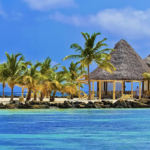
Paradise Bay, Crete.
Popular excursions:
Day trips in Crete are as varied as the island itself.
One popular way to see the countryside is on horseback through companies such as Finikia Horse Riding Tours. The hosts will pick you up from your hotel, before taking you on an unforgettable riding experience, which includes dinner, before returning to your hotel.
On four wheels, tourists can use guides such as Landrover Safari Crete for a peek inside the local way of life.
On foot, a walk through Samaria Gorge National Park is beautiful but not for the faint of heart. It is a tough but rewarding all-day hike.
Less strenuous walking and cycling tours are available through outfitters such as Kissamos Cycling Tours, which will take you through the main sites on the island.
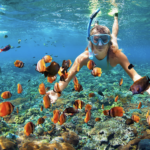
Many diving centres, such as Omega Divers, operate in Crete.
Aphrodite Glass Bottom Boat is a popular family-friendly activity, while traditional Cretan cooking lessons are given all over the island at venues such as Cooking Lessons In Vamos.
Popular sports and activities:
To relax and revitalise, Crete has many options.
A popular one is Six Senses Spa, with a long list of services.
A less typical pampering treatment is Doctor Fish - Foot Spa & Reflexology, where small fish gently clean away dead skin.
Also, a ride through lush olive groves with views of both the beach and mountains with Arion Stables is a great activity.
The party crowd will appreciate the little-known, wilder side of Star Beach Water Park with fun DJs, exciting foam parties and other activities. Families will enjoy the other side of the park.
Also, Aquaworld Aquarium draws youngsters, especially with its viewing of local marine life.
People of all ages enjoy touring the area on the Happy Train, and for a more sophisticated time, tourists should visit the Manousakis Winery, which offers quality wines along with unbelievably friendly service.

Crete.
Beaches:
There are beaches suited to any group in Crete. Families should definitely visit either of the beaches near Kalyves village, the Chrissi Akti (also known as the Golden Beach) or Almyrida. All of these boast incredibly soft sand and clear, shallow water.
For a beach with loads of amenities, consider Platanias Beach, with water sports plus restaurants and bars nearby. Agia Marina and Rethymno Town Beach are also popular.
The best beaches for the young and lively crowd include Agia Marina and Hani Kokkini Beach. These have popular music playing from nearby beach bars as well as waterslides, foam parties, jet skis, parasailing, and banana boats.
Slightly more secluded beaches include Kyani Akti and Kissamos.
Nudist beaches also exist in Sweetwater, Falassarna and Plakias
Nightlife:
Great pubs and bars can be found across the island of Crete.
In Stalis, Dwyers Irish Pub comes highly recommended because of its excellent atmosphere and live music.
In Sissi, both The Hemingway and Peggy Gordon's can say the same.
Hersonissos is, arguably, the place to be for discos and dance clubs ranging greatly in size and type.
The Camelot Club is a smallish club, but it has two bars and two dance floors, while the much larger Matrix Club has only one huge dance floor.
The Amnesia Club is great for a friends' night out, as is the Ya Bar.
There are also clubs that cater particularly to one type of clientele.
The Enigma Club, for example, is geared toward Greek patrons, and the Roze Maandag advertises itself as a gay bar.
Most popular hotels/resorts:
Great accommodations can be found across the island as well. In Stalis, the Nikos Apartments and the Anastasia Hotel both get high marks for treating guests like family.
Chania Town's Lefka Apartments are great for travellers on budgets. Nearby Parigoria claims Hotel Alexis and its excellent restaurant.
Corinna Mare Apartments & Suites are a great deal near Chania also, as is Mike's Hotel & Apartments, evidenced by its long run of repeat guests.
In Hersonissos, many "touristy" resorts reside.
Marni Village gives guests a break from that without being too far from the city.
Also, Annabelle Village's animation team does a great job keeping both kids and adults entertained.
The heart of the lovely old city Rethymnon boasts the popular Fortezza Hotel, and Heraklion has the basic but very nice Prince Of Lillies Hotel.
In Platanias, guests will find all they need at the Rania Beach Hotel. From its location right on the beach and large swimming pool to the playground and pool bar, this hotel has a little of everything.
Click here for a 14-day forecast

Crete sea view.