About Anguilla
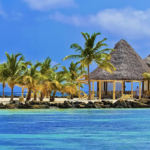
A flat, low-lying but beautiful island surrounded by banks of coral and limestone just to the east of Puerto Rico; Anguilla is one of the Caribbean Seaâs most stunning islands. Even though the soil and sustainable vegetation is relatively emaciated and deprived, the immediate environment and views promise holidaymakers a pleasurable experience all year round.
Anguilla is renowned for its impressive and economically significant coral reefs, as well as the surrounding crystal clear blue waters, ideal for the ultimate diving experience. Aside from the main island of Anguilla itself; the province comprises various smaller islands and cays, mainly petite and unoccupied. Some of these include; Anguilla, Sandy Island, Dog Island, Sombrero (Hat Island), Prickly Pear Cays, Seal Island and Scrub Island. All of these islands are perfect for a relaxing escape to a secluded destination for the family or just for two.
Even if the climate of Anguilla is relatively dry for Caribbean standards, the typical weather is humid, tropical. The region experiences very little seasonal variation, as climates stay comparatively similar throughout the entire year. This is usually due to the moderated winds that are present from all locations on the small island and develop a warm northeast trade during the winter and a soothing cool sea breeze throughout the summertime.
Boasting a tropical but dry climate; the citizens of Anguilla for the majority of the year have very little to complain about. Given that the region is situated on low-lying land with no mountainous areas to hide the sunâs light and in the lack of vegetation that draws rain clouds; Anguilla is a tropical paradise for all sun-lovers. Whether you prefer your holidays seeing the sights of inland regions or relaxing on the beach and swimming in the ocean; the average climate of Anguilla can guarantee both. Less than five degrees will ever divide the Anguilla water temperature of the Caribbean Sea to the Anguilla air temperature, generating the ideal climate for every outdoor activity.
Temperature
There is generally a very little variation of temperature in Anguilla throughout an entire year, similarly, the annual average temperature rarely fluctuates; and for many years has featured mean climates of 26ºC to 27ºC. Even though the warmest period is also the wettest from June to October; this is also the season prone to hurricanes. Because of Anguillaâs locality on a rather small island, the temperature differs very minimal from coastal regions to the areas more inland; in fact, many visitors tend to walk from one side of the island to the other in less than a dayâs time. Given this the maximum average climates diverge between 28ºC in January and February to 31ºC in August; this is two whole seasons difference with only three degrees less. Again average minimum temperatures see 25ºC in July and 22ºC in February. There assures a perfect vacation for all holiday-makers at any time of the year.
Precipitation
Rainfall throughout the island and nearby islands are very minimal and at some points of the year, the country could even be known as arid. The average annual precipitation is very erratic and calculates 800mm, with the majority of it obtained in short, brisk cloud ruptures. November is Anguillaâs rainiest month; seeing an average of under 200mm, whereas February and March are the driest periods scraping in barely 20mm to 30mm per month. The rainy season in Anguilla takes place during the summer months, which is also known as the hurricane season. Even though the most ideal time to visit Anguilla is throughout the dry season from December through until March; the beginning months can sometimes be the worst; as the hurricane season is in its peak from the end of June until the end of November, sometimes even mid-December. Even though hurricane existence is far off the coast of Anguilla, winds are known to lead them anywhere in the Caribbean, and since the overall climate of Anguilla is very sporadic, there is always a risk of a hurricane bearing down on the island at any time of the year. Since the hurricane season in the Atlantic Ocean typically starts in June and commences in November, many visitors to these regions stay well away during this time to avoid these powerful storms. Being situated in the northern area of the Leeward Islands; Anguilla is subject to frequent Atlantic harsh tropical rains, the weather being just storms or even hurricanes. In spite of the danger of hurricanes and inclined rainfall; the summertime can still be a pleasing period of time to visit the island.
Even though the country is now more familiar and better modified in dealing with hurricanes, as its residents have become more aware of their force. There are still however specific places of considerable elevation. There are now programs used to look at the probability of hurricanes striking the island in future years, so tourism is now fully protected and you can plan your trip under safe circumstances.
When to Visit
Similar to most of the Caribbean islands; December to April is Anguillaâs peak season. Always keep in mind the hurricane seasons, and travellers can often save money by and yet still benefit from the countryâs stunning topical climates by holidaying throughout the safer months of the offseason. Overall Anguilla is an extremely safe place and taking only a little common sense, a vacation to the region will be nothing but unforgettable.